

Questions
Questions People Ask, Answered Straight.
Everything people wonder before they book, in my own words. Pick a heading or read them all, and if yours is not here, message me and I will answer it myself.
Questions people ask
All of Them,by Heading.
Straight answers, in my own words. If yours is not here, message me and I will answer it myself.
What is the difference between breathwork, tremor therapy and Spinal Flow, and which one is right for me?
All three work with your nervous system, in different ways. Conscious connected breathwork uses a guided breathing pattern to release stress and emotion. Tremor therapy uses simple exercises to switch on your body's natural shaking response and release deep muscular tension. Spinal Flow is a very gentle, hands on technique that releases stored stress along the spine and nervous system. Not sure where to start? Get in touch and I will help you choose.
Do I need to have done any therapy or healing work before?
Not at all. Many of the people I see are brand new to this kind of work. You do not need any experience, flexibility, fitness or the right mindset. I guide you through everything, step by step, and you go at your own pace.
Is this spiritual or energy healing work?
No. These are body based approaches that work with the nervous system. There is no belief system to sign up to and nothing you need to believe in. You just show up, and your body does what bodies are designed to do.
I like approaches that are rooted in science. Is this for me?
Yes. Breathwork, tremor therapy and Spinal Flow all work with the nervous system and your body's natural stress response. There is a growing body of research on breathwork and on the body's tremor response, and Spinal Flow was developed by a former chiropractor from an understanding of how the nervous system holds stress. I am always happy to explain the why behind what we are doing.
How many sessions will I need?
It depends on you, your goals and how long you have been carrying stress or tension. Many people notice a shift after their first session, and most find that a few sessions close together help the changes last. Some come for a single session, some for a short course, and others for regular top up sessions. I will talk through what is realistic for you at your first appointment, and there is never any pressure to book more than you want.
How should I prepare for a session?
I will send you everything you need to know before your session, so you arrive ready and as relaxed as possible. In general: wear comfortable clothes, drink water, avoid a heavy meal just beforehand, and give yourself some quiet time afterwards if you can.
What should I wear?
Comfortable, loose clothing that you can lie down and move in. You stay fully clothed for all three: breathwork, tremor therapy and Spinal Flow.
How do I book, and what happens next?
One to one sessions are booked online through my booking page. Group tickets are bought for a specific date and venue on the dates page. Once you have booked, I will send you your preparation information and a consent form to read and sign before you come.
Are the sessions one to one or in a group?
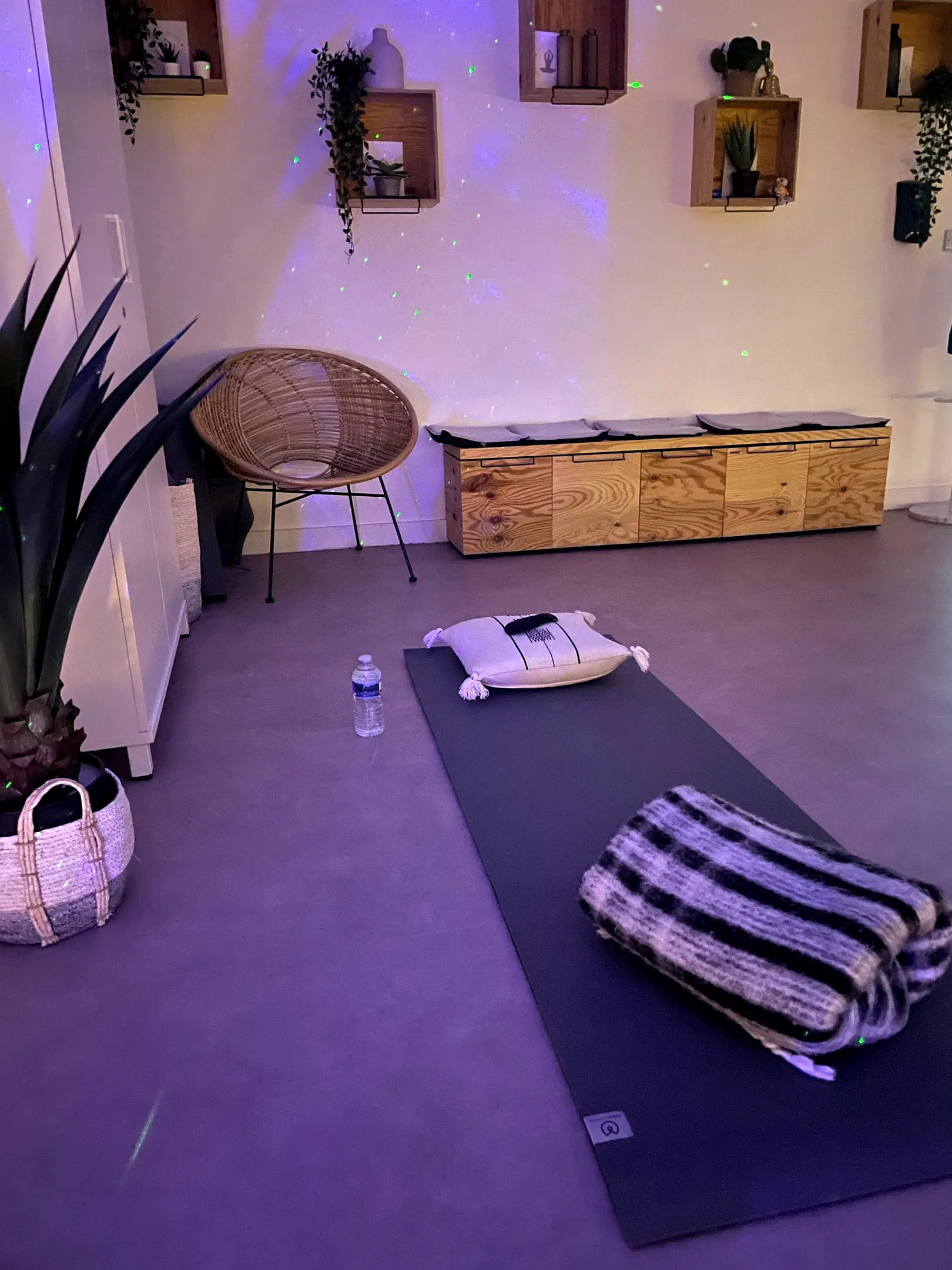
Both. One to one sessions are at The Brave Studio in Olney and are shaped around you. Group evenings run at venues around Milton Keynes, Bedfordshire and Buckinghamshire, and many people find it easier to relax in a calm space shared with others. Group tickets are £35 for breathwork and £25 for tremor therapy, and every date is on the dates page.
Do you do home visits?
Sometimes, depending on where you are and what you are looking for. Get in touch with your postcode and what you are interested in, and I will let you know if I can come to you. Everything I do is in person and face to face on purpose, and I do not work online.
Do I have to talk about my past or my trauma?
No. None of these approaches ask you to retell your story or relive anything. They work through the body and the nervous system, not through talking, so you can let go of stress without going into the details.
Will I cry or get emotional?
You might, and that is okay, but you do not have to. Some people cry, laugh, yawn, feel warm or feel very little at all. Every response is normal, and no reaction is better than another. You are always in control, and I am with you throughout.
What if I do not feel anything during a session?
That is more common than you would think, and it does not mean it is not working. Some people feel a lot during a session; others notice changes later, such as better sleep, less tension or feeling calmer. Your nervous system works in its own way.
What might I feel after a session?
Many people feel lighter, settled and deeply relaxed. Some feel tired, thirsty, a little emotional or unusually sleepy for a day or so, which is common and usually passes. Drink plenty of water and be gentle with yourself afterwards. If anything worries you, get in touch.
Is this a replacement for therapy, counselling or medical care?
No. Breathwork, tremor therapy and Spinal Flow are supportive, body based practices. They do not replace therapy, counselling, medication or medical care. Many people use them alongside, and some find they add something different, so please keep any existing support in place and let your therapist or doctor know what you are trying. If you are in crisis, contact your GP, call NHS 111 or call Samaritans free on 116 123, any time. If you are in immediate danger, call 999.
Can I combine breathwork, tremor therapy and Spinal Flow?
Yes. Many people do, as they support each other well. Spinal Flow can help you settle, breathwork can help you feel and release, and tremor therapy gives you a tool you can use at home to unwind and let go of tension and stress. I will help you plan a combination that makes sense for you.
Do you work with neurodivergent people, including autistic or ADHD adults and children?
Yes. I work in a calm, gentle way with no pressure, and sessions can be adapted to individual sensory needs. These approaches do not aim to fix anyone; they support the nervous system to feel safer and calmer. Get in touch to talk through what would suit you or your child.
Is it safe if I am taking medication or have a health condition?
For most people, yes, but some conditions need extra care or your doctor's go ahead first, especially for breathwork and tremor therapy. Please tell me about any health conditions, medication, pregnancy or recent surgery before your session. If I am not sure something is suitable, I will say so.
What if I need to cancel or reschedule?
My cancellation and rescheduling terms are on the policies page, and in the terms on the booking page when you book. If something comes up, message me as early as you can.
Do I need a doctor's referral?
No, you can book directly. If you have persistent, severe or unexplained symptoms, please see your doctor as well.
What is nervous system regulation?
Your nervous system is always scanning for safety and adjusting your body to match, including your heart rate, breathing, muscle tension, digestion and alertness. Regulation is its ability to move flexibly between states: switching on when you need energy or focus, then settling back to rest. It does not mean being calm all the time. After long periods of stress or difficult experiences, the system can get stuck in high alert (fight or flight) or low energy (shutdown). That can show up as anxiety, tension, exhaustion, feeling wired or feeling numb. These are protective responses, not personal failings. Supporting regulation means helping your body get that flexibility back, so rest, sleep, digestion and connection come more easily.
How do I know if my nervous system is dysregulated?
There is no test for it, and "dysregulation" is not a medical diagnosis, but common signs include feeling constantly on edge, being tired but wired, trouble sleeping, tight shoulders and jaw, feeling overwhelmed or flat, and digestive upset. Everyone has days like this, so it is worth noticing when they last or keep returning. They can have many causes, so please check in with your doctor too. These are ways your body has learned to cope, and gentle support can help your body to learn something new. If you are not sure where to begin, get in touch and we will talk it through.
Do you offer gift vouchers?
Yes. A session makes a lovely gift for anyone who needs some rest. You can buy a voucher online, or get in touch and I will arrange one.
What is conscious connected breathwork?
Conscious connected breathwork is a guided breathing technique in which you breathe in a continuous, connected rhythm, with no pause between the in breath and the out breath. My sessions take place in a dimly lit room, to music. It can help shift your nervous system out of stress, release built up emotion, and leave you feeling clearer and lighter.
What does a breathwork session feel like?
You lie comfortably while I guide you through the breathing pattern. You may feel tingling, changes in temperature, heaviness or waves of emotion, or you may feel calm and floaty. These sensations are normal and temporary, and you can adjust your breathing whenever you need to.
How long is a breathwork session?
A group breathwork evening lasts around two hours: the introduction, the breathing itself, a meditation at the end and time to land before you head home. A one to one session at the studio in Olney is two hours too, and costs £140.
What is breathwork good for?
People come to conscious connected breathwork for stress relief, emotional release, support with anxiety, burnout, grief, feeling stuck, sleep, and simply wanting more energy and clarity. It is not a cure for any condition, but many people find it a powerful way to feel calmer and more connected to themselves.
Can breathwork help with anxiety and stress?
Many people find it helps, because it works directly with your breathing and your nervous system, which are closely linked to how anxious or calm you feel. Breathwork is a support, not a replacement for treatment, so please talk to me first if you have an anxiety disorder or panic attacks. There is more on the anxiety page.
Can breathwork help me release emotions or stuck feelings?
Yes, this is one of the most common reasons people book. Breathing in this way can bring feelings to the surface so they can move through and out of your body. You do not need to know what the emotion is about, and you never need to explain it.
Is breathwork safe?
For most healthy adults, yes. Breathwork is powerful, so I ask about your health beforehand. It is not suitable for everyone, including people who are pregnant or who have epilepsy or seizures, certain heart or blood pressure conditions, glaucoma, recent surgery or certain mental health conditions. If you are unsure, please ask me or your doctor first.
Is conscious connected breathwork the same as hyperventilating?
It can look similar, but it is guided, paced and held in a safe setting. Faster breathing changes the balance of oxygen and carbon dioxide in your body, which can make you tingle or feel light headed. These sensations are expected, and I will help you ride them out or slow your breathing down at any point.
How is conscious connected breathwork different from meditation, yoga or Wim Hof?
Meditation and yoga breathing (pranayama) are usually slower and calmer. Conscious connected breathwork is a more active, guided practice with a focus on emotional release. The Wim Hof method centres on long breath holds and cold exposure. Each has value, but they have different aims.
Do I need to be experienced or good at breathing to try it?
No. Everyone can already breathe, and I will teach you the rest. It is suitable for complete beginners, and I guide you throughout.
What if I feel overwhelmed during breathwork?
You are always in control. You can slow down, open your eyes, pause or stop at any time. I am there to support you and help you feel safe and grounded.
How often should I do breathwork?
Many people book a session every few weeks or once a month. Others do a short course, or come when life gets stressful. Group evenings run regularly at venues across the area, and one to one sessions are at the studio in Olney.
Can I do breathwork if I am pregnant, or have asthma or high blood pressure?
It depends. Breathwork is not recommended during pregnancy, and asthma or blood pressure conditions need a conversation first. Please get in touch before booking so I can advise, and check with your doctor if needed.
Is breathwork suitable for teenagers or children?
Gentle breathing practices can help young people, but I only recommend the full conscious connected style for adults. I also run breathwork sessions designed for children and teenagers, so get in touch and I will suggest what would suit.
What is tremor therapy?
Tremor therapy is a simple series of exercises that helps your body release deep muscular tension and stress through natural shaking or trembling, known as neurogenic tremors. We move through the exercises together, then you lie down and let the tremor do its work.
How does tremor therapy work?
The exercises gently tire the muscles of the legs and hips, which helps switch on your body's natural tremor response. This mild, involuntary shaking is thought to help calm the nervous system and release tension held in the body. Research is still growing, but many people notice a real difference in how they feel.
Is tremoring safe, and is it the same as a seizure?
For most people it is safe, and it is nothing like a seizure. Neurogenic tremors are gentle and rhythmic. You stay aware and in control throughout, and you can stop the shaking at any time simply by changing position, which I will show you in your session. It is not suitable for everyone, so I always check your health history first.
What does a tremor therapy session feel like?
You do a short set of gentle exercises, then lie down and let your body tremble if it wants to. It may feel like a pleasant vibration, a light shake, or occasionally nothing at all at first. Many people feel warm, relaxed and deeply calm afterwards.
Does the shaking hurt?
No. It usually feels like a gentle hum or flutter, sometimes bigger, and most people find it strange for a minute and then surprisingly pleasant. If it ever feels like too much, you straighten your legs and it settles.
What is tremor therapy good for?
People use tremoring for stress, chronic tension, feeling wired or exhausted, and difficult experiences that are still held in the body. It can also help people who carry tension in the hips, back, neck and shoulders. It is not a treatment for any condition, but it can be a powerful support.
Can body tremoring help release stuck trauma?
Tremor therapy was developed to help the body release the effects of stress and trauma without needing to talk about the past or relive it, and many people find it helpful for this reason. It is not a replacement for trauma therapy, and I work with you sensitively and at your own pace. There is more on the trauma therapy page.
Can tremoring help with back pain, neck pain and tight hips?
Many people find it releases tension in the muscles around the hips, back and neck, and notice their body feels looser and lighter afterwards. If you have persistent or severe pain, please see your doctor as well.
Do I have to talk about what happened to me?
No. Tremor therapy works with the body, not the story. You never need to share anything you do not want to.
Why do animals shake, and what does that have to do with tremor therapy?
In the wild, animals often tremble after a stressful event, then carry on as if nothing happened. Tremor therapy is based on the idea that people have the same built in mechanism but often override it. The exercises help wake up the neurogenic tremor response, which all mammals share. I wrote more about it in why the body shakes.
Can I do tremoring at home by myself?
Yes, and that is one of the best things about it. Once I have taught you how to tremor safely, you can practise at home whenever you need to, so it is a tool you keep for life.
How many tremor therapy sessions do I need before I can do it on my own?
Most people learn the exercises in one to a few sessions. I will make sure you feel confident before you practise alone. A one to one session is seventy minutes at the studio in Olney and costs £60.
Is tremor therapy suitable for everyone?
Not always. It is not recommended, or needs adapting, if you are pregnant, recovering from recent surgery or injury, or have certain conditions such as seizure disorders or severe mental health conditions. Tell me about your health history when you book and I will advise you.
What is the difference between tremor therapy and trauma therapy?
Trauma therapy, such as trauma focused CBT or EMDR, is delivered by qualified mental health professionals and is one of the recommended treatments for PTSD. Tremor therapy is different. It is a body based self regulation method that uses simple exercises to bring on natural shaking, aiming to release tension and support the nervous system. It is not a treatment for PTSD, and research is still early. Some people use both, and they can complement each other well. If you are in therapy, it is always worth telling your therapist.
Can tremor therapy help with stress, burnout or feeling constantly on edge?
Many people find it helps them feel calmer, sleep better and recover from stress more easily. It can be a helpful tool if your body feels permanently switched on, or if there are holding patterns in your body that just will not shift.
What is Spinal Flow?
Spinal Flow is a very gentle, hands on technique created by Dr Carli Axford, a former chiropractor. It uses light, precise touch on specific access points to help release stress and blockages held in the spine and nervous system, so your body can return to a calmer, more balanced state.
What happens in a Spinal Flow session?
You lie fully clothed on a table or a mat while I make light contact at access points on the head and along the spine (there are 33 in all). There is no cracking, twisting or pushing. Most people feel deeply relaxed, and some drift into a light, meditative state.
I am looking for a gentle chiropractor. Is Spinal Flow similar?
Spinal Flow was created by a former chiropractor, but it is different: there is no cracking, popping, twisting or adjusting, and I am not a chiropractor. It works with flow rather than resistance or force. If you would like a very gentle approach to spinal and nervous system care, it may be a good fit. It is not a replacement for medical care. There is a fuller answer in Spinal Flow or a chiropractor?
Can Spinal Flow help with back and neck pain?
Many people come with back and neck pain and find their body feels looser and more relaxed. Spinal Flow focuses on releasing stress from the nervous system, which can influence how tension is held in the body. It is not a diagnosis or a cure, so please see your doctor about persistent or severe pain. There is more on the back pain page.
How is Spinal Flow different from chiropractic, osteopathy or craniosacral therapy?
Chiropractic and osteopathy often use manual adjustments or manipulation; Spinal Flow uses very light touch with no manipulation. Because it also involves light touch on the head and sacrum, it may remind you of craniosacral therapy, but it has its own framework, built around the seven gateways of the spine and 33 access points.
What are the seven gateways of the spine?
They are the framework at the heart of Spinal Flow. Each gateway relates to an area of the spine and the kinds of stress that can be stored there, whether physical, emotional or chemical. Together with the 33 access points, they guide where I work in a session. The seven gateways are Awaken, Pause, Passion, Centre, Power, Foundation and Base. Read more about the seven gateways.
Is Spinal Flow spiritual or energy work?
No. It is a body based approach focused on the nervous system, using light touch to support your body's natural ability to regulate itself. The contact is physical, at specific points along the spine, rather than work with an energy field around the body.
Can Spinal Flow help release emotions and stored stress?
Yes, that is a big part of what people love about it. As your nervous system relaxes, stored stress and emotion can release without you having to talk about it. You may feel calm, or you may feel emotional. Both are fine.
Is Spinal Flow safe and gentle?
Yes, it is very gentle. It is suitable for people of all ages, including babies and children, and it is very low risk. I always ask about your health before we start.
Can Spinal Flow help my child, including a child with ADHD or autism?
Spinal Flow is gentle enough for children of all ages, and sessions are adapted to suit them. Your child can stay in contact with you the whole time, or lie down on their own, depending on their age and needs, and we go at their pace. Spinal Flow does not treat or cure ADHD or autism, and neurodivergent children do not need fixing, but many parents tell me their child seems calmer and more settled.
Can babies and toddlers have Spinal Flow?
Yes. Sessions with little ones are flexible and playful, and can happen on your lap, on your tummy or even during a feed. It is very gentle and there is no pressure. Sessions for babies and children up to eight are shorter, at £25; see the booking page for details.
Can Spinal Flow help with stress, anxiety or burnout?
Many people find it deeply calming. By helping the nervous system switch out of stress mode, it can support rest, sleep and a sense of ease. It is a support, not a treatment for any condition.
How many Spinal Flow sessions will I need?
It varies. Some people feel a shift after one session, while others come regularly as part of looking after themselves. Spinal Flow works best with consistency, so we can agree a plan that suits you and your goals, with no pressure. Packages of six sessions (£230) and twelve (£450) are on the booking page, and the twelfth session includes a free reassessment with new posture photos.
What happens in my first Spinal Flow session?
Your first session lasts around seventy minutes and costs £70. At The Brave Studio in Olney I carry out a full posture and gateway assessment, go through your health history, and take posture photos to look back on later. Then we move into thirty minutes of Spinal Flow. Sessions after that are thirty minutes of Spinal Flow, at £45.
Are group Spinal Flow sessions as effective as one to one?
Group sessions can be very powerful. Many people find it easier to relax in a calm space shared with others, and there is a real sense of support in the room. One to one sessions give you more personal attention. Both are good options, and a group is an excellent choice for a family who would all like to feel calmer together.
Do I have to remove my clothes?
No. You stay fully clothed at all times. The touch is light and specific, mostly on the head and the lower back, particularly the sacrum and the coccyx, and I always explain what I am doing.
What might I feel during or after a Spinal Flow session?
Most people feel deeply relaxed, and some notice warmth, tingling, emotional release or sleepiness. Afterwards you may feel calm, light, tired or a little emotional. Drink water and rest if you can.
What conditions do people come to Spinal Flow with?
People come for many reasons, including stress, tension, sleep, emotional overwhelm, aches and pains, digestive trouble, back or neck pain, posture and general wellbeing. It is not a diagnosis or a treatment for any specific condition, and I always encourage you to keep working with your doctor.
Nothing under that heading yet. Try another word, or message me and I will answer it myself.