


Before We Begin
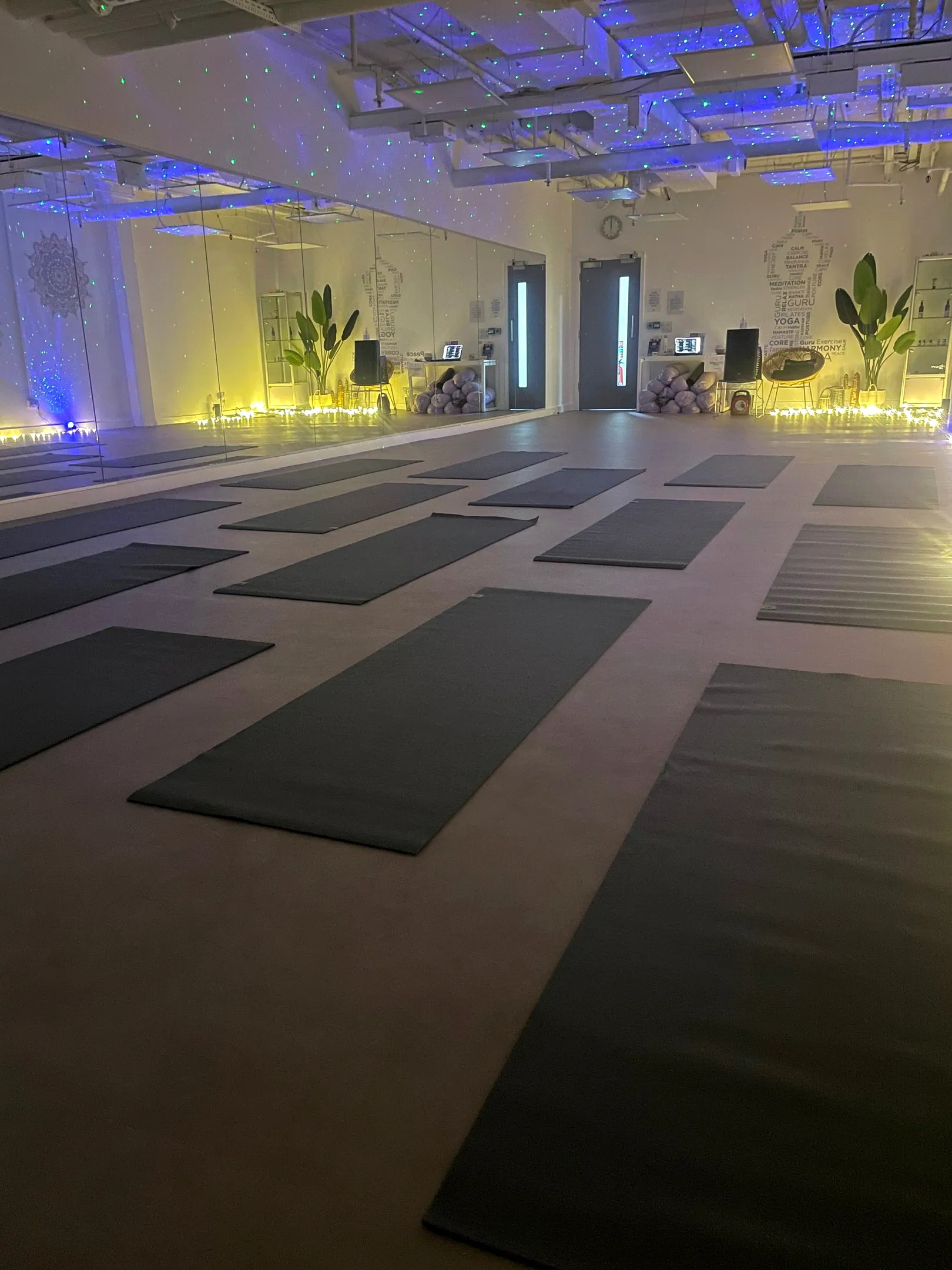
You arrive at a hall or a studio that has been dimmed and warmed. Mats are laid out in rows, there is water, and there is music playing quietly. You find a mat, you take your shoes off, and for the first ten or fifteen minutes I talk. I explain what conscious connected breathing is, what you might feel, what to do if it gets intense, and why none of it is anything to worry about. Nobody has to say anything. A lot of people are nervous at this point, and a lot of people are surprised by how mixed the room is: a quarter to a third of the people on the mats are usually men, and plenty came from the gym rather than a yoga studio.
You will have read and signed a consent form before you came, and you will have had a message from me the day before telling you what to wear and what to eat. Something comfortable to lie down in, a warm layer, a light meal a couple of hours before. That is all the preparation there is.
Stage One: The Mind Races
Then you lie down, close your eyes, and start to breathe: in, and straight out, with no pause at either end, over and over. The music comes up. And the first thing that happens is that your mind fights it. Heart rate goes up, thoughts speed up, you second guess yourself, you wonder whether you are doing it right, and you probably want to stop.
This is the bit people do not expect and the bit I spend most of the introduction on. It is the mind trying to stay in control. It always does, and it always gives up, usually within ten minutes. The deep breathing switches on the calming side of your nervous system and the surrender comes on its own. Your job is only to keep breathing.
Nobody is good at breathwork. There is nothing to keep up with, and there is no score.
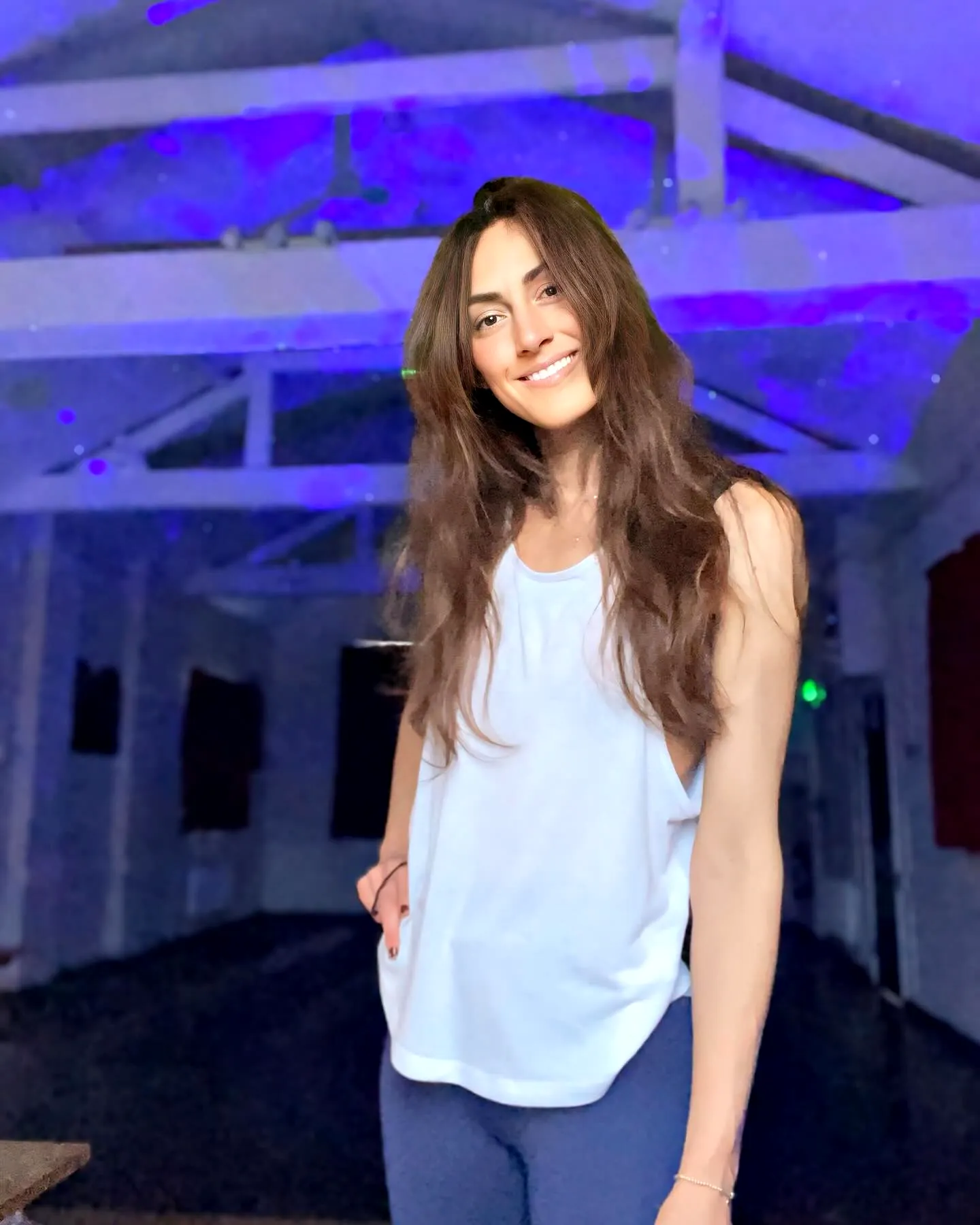
Liane
Stage Two: The Chemistry Shifts
Breathing this way changes the balance of oxygen and carbon dioxide in your blood, and the body notices. Hands and feet start to tingle. Your face feels fuzzy, your lips might too. Some people feel their hands curl up a little; a few feel light headed. All of it is normal, all of it is part of the process, and all of it passes when the breathing slows. I walk the room the whole time and I will be beside you if you need me.
If it ever gets too much, you slow your breath down and it eases within a minute or two. You are in charge of the throttle at every moment.
Stage Three: Energy Starts to Move
Somewhere in the middle of the session your brain waves shift, in the way they do between waking and sleep, and you drop out of your head and into your body. This is where it gets interesting, and where I stop being able to tell you what will happen, because it is different for everyone. Some people cry. Some laugh. Some shake, or feel heat, or feel a wave of something move through the chest or the belly. Some see colours or feel very far away and very calm.
What people describe afterwards, again and again, is that something they had carried for years moved. Not talked about, not analysed: moved. That is the point of doing it with the body rather than the head.
Stage Four: We Connect Deeply
Towards the end the music softens and the breathing eases. This is the part that feels like the reward. Without words or stories, you meet the depths of who you really are, and it is quieter and kinder than most people expect. I bring the room into a meditation, and then slowly back into the hall. There is time to lie there. There is time to sit up when you are ready. Nobody is hurried out.
Most people leave lighter. Some are buzzing, some are very still, most sleep well that night. I always say: drink water, eat something, be gentle with yourself for the rest of the evening, and notice how you feel over the next few days.
What to Bring to a Breathwork Class
- Something comfortable to lie down in, and a warm layer: your body temperature drops as you relax.
- Water. There is usually some there, but bring your own.
- A light meal a couple of hours before, not a big one just before.
- A blanket and a pillow, and an open mind. Mats are provided.
If you would like to try it, the group dates are on the dates page and tickets are £35. If a room of people feels like too much for a first go, book a one to one at the studio in Olney and we will do it just the two of us. And if you have a heart or lung condition, epilepsy, a recent injury or operation, a history of psychosis, or you are pregnant, please talk to your GP first and tell me when you book.