


Shaking Is Not a Sign That Something Is Wrong
Watch a dog after a fright. It shakes from head to toe, then trots off as if nothing happened. Many animals do something similar after a chase or a scare. Dr David Berceli developed his well known shaking method after seeing people shake in bomb shelters, believing that this shaking is the body's natural way of releasing stress, tension and trauma, before settling again.
As far as we know, every mammal species tremors.
Dr David Berceli
His belief is that, seeing as we are mammals, we have the same ability to tremor, but that many of us have learnt (or been conditioned) to switch it off. We hold it together, we keep busy, we sit still in meetings with our jaws clenched. Tremor therapy invites the shaking back in, safely, in a quiet room, and lets your body do what it already knows how to do.
What Happens in a Session
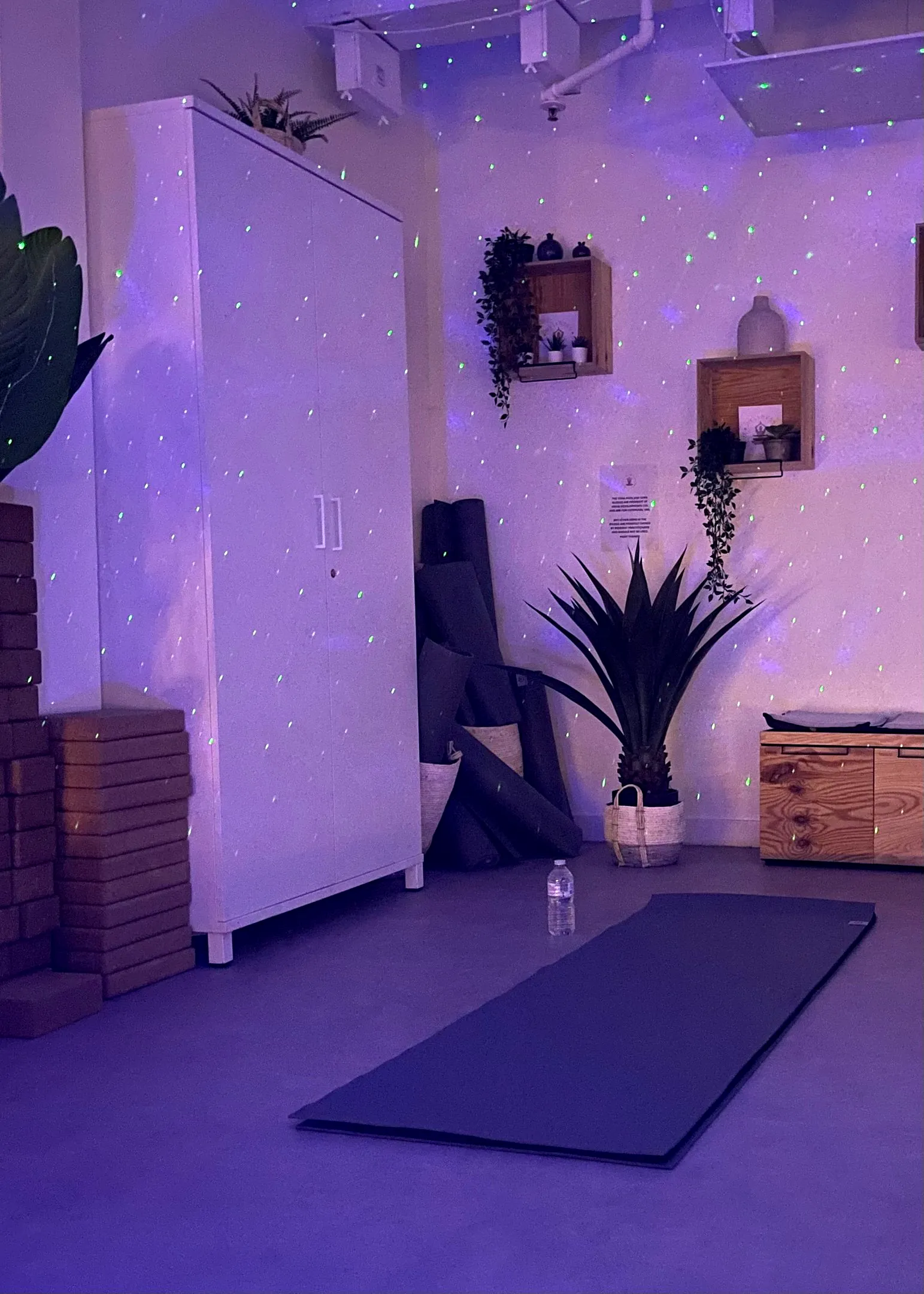
We start with around half an hour of gentle exercises that tire the muscles of the legs and hips. Nothing too strenuous (and there are adaptations I can make to suit you as an individual); the emphasis is on being extremely gentle, slow and steady. The first six exercises are carried out standing, and the final exercise is carried out lying down on your back with your knees bent.
Often, within a few minutes, the body's neurogenic tremors start on their own, most often beginning in the legs and sometimes travelling up through the hips, the back and the shoulders. You stay in charge the whole time: I guide you through straightening your legs, or rolling onto your side, to slow or stop the body's tremors.
The idea is that your body already knows how to do this, and the exercises just give it permission.
What It Feels Like
For most people it is a gentle hum, flutter or vibration. For some it builds into bigger shakes that may sometimes feel strange and unusual. People yawn, sigh, and sometimes feel and express emotion of some sort. Some people shed a tear, with or without an emotion attached, and that is fine too. As with all of my sessions, I want you to be able to show up authentically and feel anything your body brings to the surface.
Afterwards, people most often say they feel lighter and looser. Nothing is promised, and the experience will likely feel different every time, because we are fluid and ever changing.
Who Comes to Tremor Therapy
People come with stress they cannot switch off, tension in the hips, back and shoulders, trouble sleeping, and a body that stays on high alert long after a hard time is over. Athletes come for tight hips or niggles that they are struggling to shift; busy parents come for an hour where nobody needs anything from them.
Tremor therapy is not a replacement for medical or psychological care, and research on it is still at an early stage. If you are working with a mental health team, or you are still in the thick of something difficult, talk to them first and ideally let me know at the time of booking.
Looking After Yourself Afterwards
Drink plenty of water, eat something nourishing, and keep the rest of the day slow and gentle if you can. It is normal to feel tired, or to feel a burst of energy, and many people find they sleep deeply following a session.
Little and often tends to suit people best. Once you know how it feels, I can show you a short version to do at home.
Before Your First Tremor Therapy Session
- Wear something loose that you can lie down and stretch in.
- Eat lightly a couple of hours before, not just before.
- Tell me about any injury, recent operation, pregnancy, seizures, and anything you are being treated for.
- Remember that you can slow or stop the tremor at any moment by straightening your legs.
One to one tremor therapy is seventy minutes at The Brave Studio in Olney for £60, and group sessions run at venues across the area for £25. Not sure if it is for you? You are welcome to message me on WhatsApp (opens in a new tab) and ask me any questions you may have. I will do my best to support you.