

Help with · Anxiety
Therapy for Anxiety That Starts in the Body, Not the Head.
Anxiety is not just a thought. It is a racing heart, a tight chest, shallow breath and a body that will not stand down. My three therapies all use a bottom up approach to wellbeing: we start in the body and allow the mind to gently follow.
Why the body first
You Cannot Think Your Way Out of Fight or Flight.
When the nervous system decides you are in danger, it does not ask the thinking part of your brain. Breath becomes shallow, the heart speeds up, muscles tighten, digestion slows, and thoughts race to keep up. Telling yourself to ‘calm down’ rarely works because the fast reacting parts of your brain respond more to body signals than to logic.
The breath is different. It is one of the few parts of the stress response that you can take hold of directly, and when the breath slows and becomes more gentle, the body can begin to settle. That is the whole idea behind breathwork for anxiety: change the breathing, and the body gets the message that it is safe.
With tremor therapy and Spinal Flow Technique®, one helps the body to release any tension it may be holding, and the other works along the spine to restore flow to the nervous system that runs through it. All three are somatic, which means the work happens in the body as opposed to the mind as a first port of call.
Which session for anxiety
Three Ways In, and They Work Well Together.
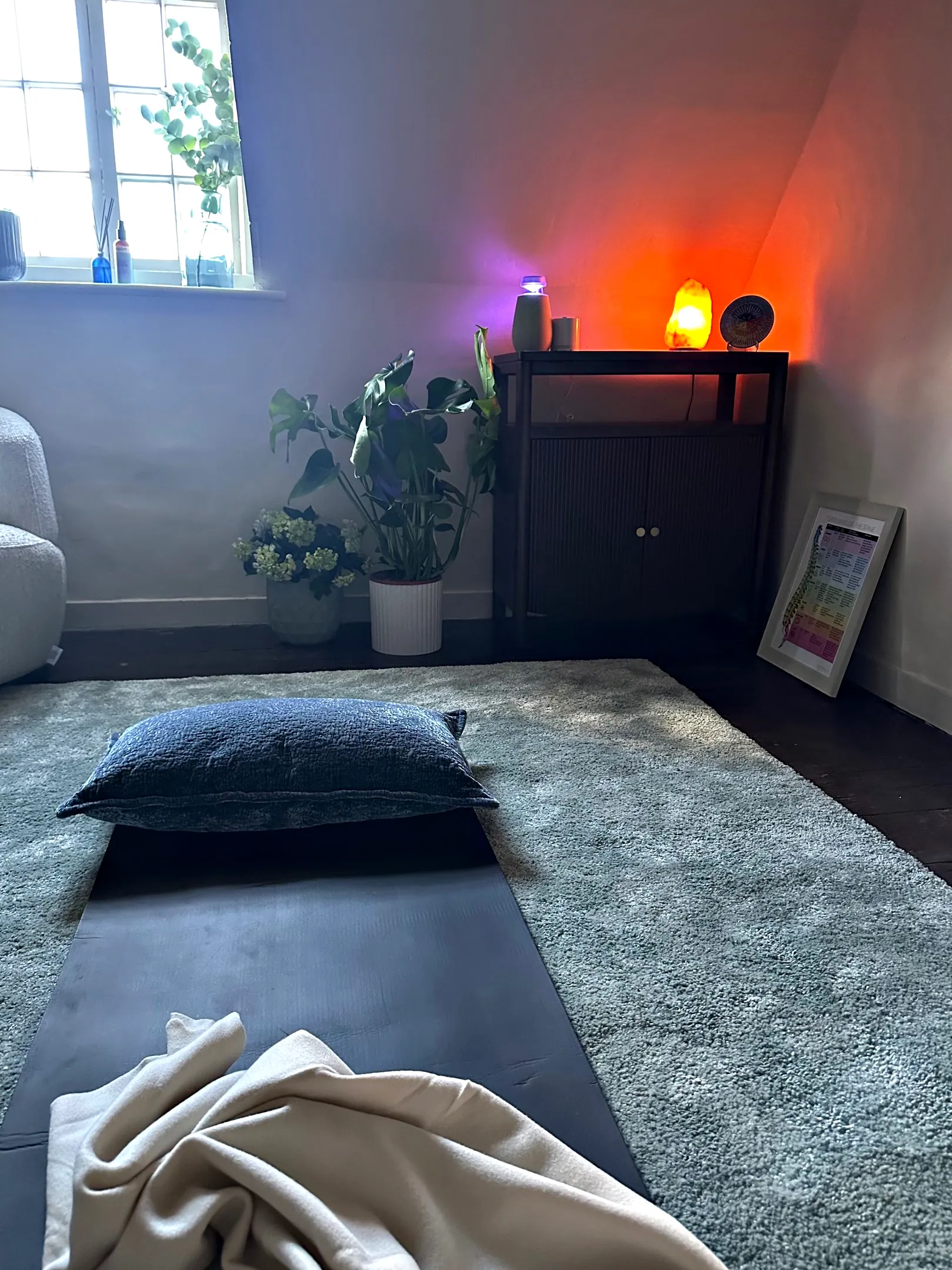
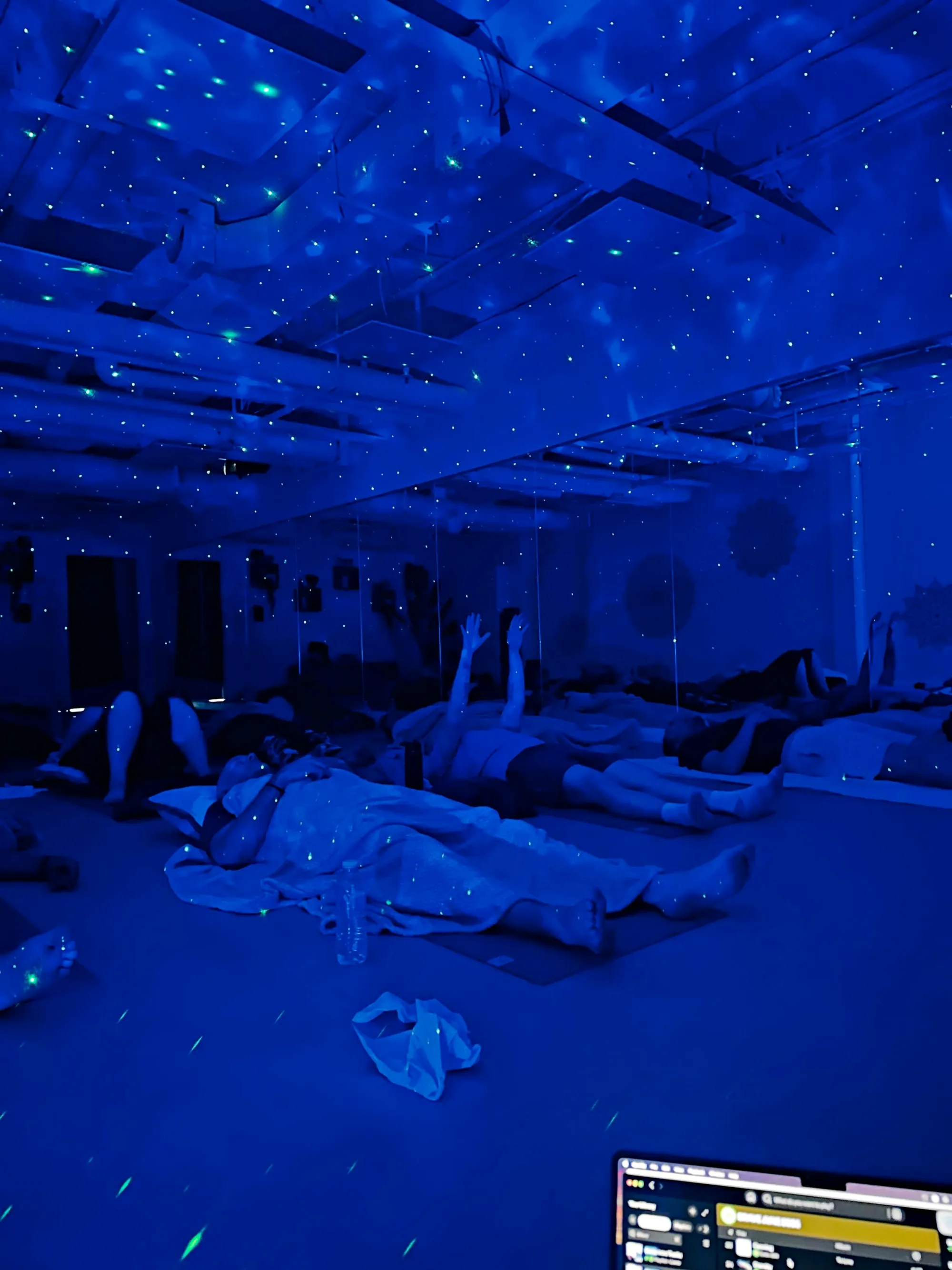
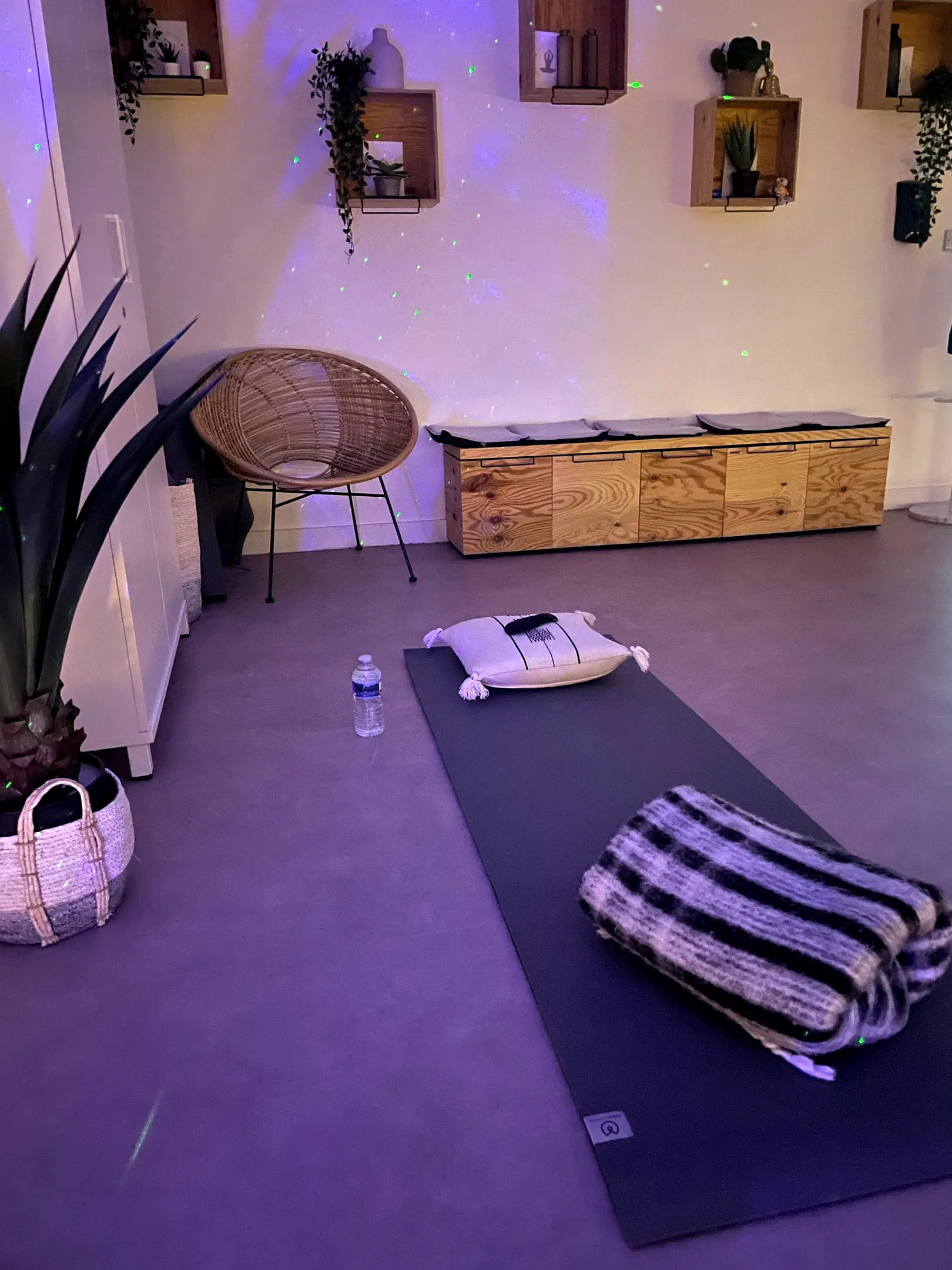
If your anxiety lives in your head (overthinking, a mind that will not switch off at night) you may want to start with breathwork. I offer group classes where you will be welcomed, fully briefed at the start of the session and guided the whole way through. A one to one session goes a little deeper in terms of personalisation and will be created just for you.
If anxiety lives in your body (a jaw you clench, shoulders up by your ears, a stomach that churns) then tremor therapy or Spinal Flow may be a lovely place to start.
Many people combine them: a course of Spinal Flow with a breathwork evening each month. And plenty come alongside counselling or medication, not instead of it. I will happily tell you which I think fits, and I am honest when I think something else would serve you better.
What people notice
Calmer, Clearer, and Sleeping Again.
People tell me they sleep better, that the tight band across the chest has gone, that they are less reactive with their partner and their kids, and that the low hum of dread has turned down. Vanessa put it like this after a few sessions: "It's like a big, black cloud has floated away."
None of this is promised, and none of it replaces your GP. If your anxiety is severe, if you have panic attacks, or if you are struggling to cope day to day, please speak to your doctor first and tell me when you book. If you are in crisis, call NHS 111 or Samaritans on 116 123, any time.
How it feels
Racing heart. Tight chest. Shoulders up. Thoughts on a loop. A body that will not stand down.
The words are doing what an anxious body does. Press the button and breathe out slowly with the count.
Take one breath first
Press the Button and Fill the Glass.
- 1Sit or stand somewhere comfortable and drop your shoulders.
- 2Press the button. As the glass fills, breathe in through your nose. When it holds, hold. As it empties, breathe out slowly through your mouth.
- 3Three rounds is plenty. Notice your jaw, your shoulders, your hands.
Four in, four held, four out, four held. Steady and square.
If you are pregnant, or you have a heart or lung condition, epilepsy or a recent injury, check with your GP before any breathwork, and tell me when you book.
Questions people ask
Questions People AskAbout This.
Straight answers, in my own words. If yours is not here, message me and I will answer it myself.
Is breathwork good for anxiety?
Slow, deep breathing switches on the calming side of the nervous system, and conscious connected breathwork takes that much further over the course of a session. Many people come to me for anxiety and describe feeling more peaceful, sleeping better, and feeling less reactive and on edge. It is not a medical treatment and it works alongside, not instead of, your GP.
Do I have to talk about my anxiety?
No. You are welcome to tell me what is going on, and one to one sessions start with a chat, but the work itself does not need words. Plenty of people say that is exactly why it helped.
Can breathwork make anxiety worse?
The first ten minutes of a session can feel intense: the heart rate goes up before it comes down, and the mind fights to stay in control. I explain this before anyone lies down, and it passes. If you have panic disorder or a history of psychosis, talk to your GP first.
What is nervous system regulation?
Your nervous system is always scanning for safety and adjusting your body to match, including your heart rate, breathing, muscle tension, digestion and alertness. Regulation is its ability to move flexibly between states: switching on when you need energy or focus, then settling back to rest. It does not mean being calm all the time. After long periods of stress or difficult experiences, the system can get stuck in high alert (fight or flight) or low energy (shutdown). That can show up as anxiety, tension, exhaustion, feeling wired or feeling numb. These are protective responses, not personal failings. Supporting regulation means helping your body get that flexibility back, so rest, sleep, digestion and connection come more easily.
How do I know if my nervous system is dysregulated?
There is no test for it, and "dysregulation" is not a medical diagnosis, but common signs include feeling constantly on edge, being tired but wired, trouble sleeping, tight shoulders and jaw, feeling overwhelmed or flat, and digestive upset. Everyone has days like this, so it is worth noticing when they last or keep returning. They can have many causes, so please check in with your doctor too. These are ways your body has learned to cope, and gentle support can help your body to learn something new. If you are not sure where to begin, get in touch and we will talk it through.
Not Sure Which? Ask Me.
A short message is enough. I answer everything myself, usually the same day, and I will tell you honestly which session fits.